Powering the next
generation of
clean aviation
MODABAT
Modular, Scalable, and Technology-Open Design for Future Aviation Batteries
We are paving the way for sustainable and future-proof battery solutions in aviation.
Driving Climate-Neutral Aviation by 2050
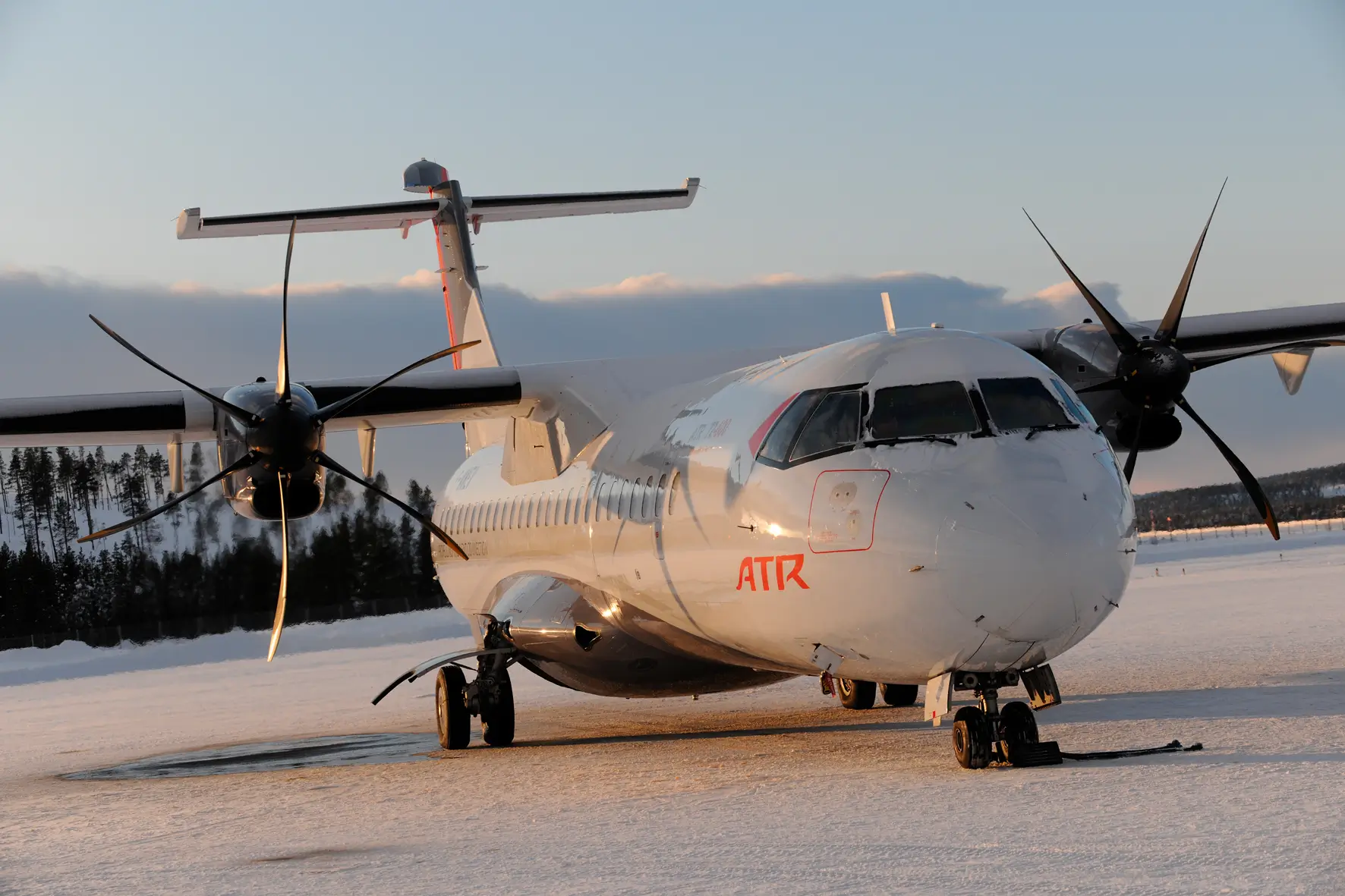
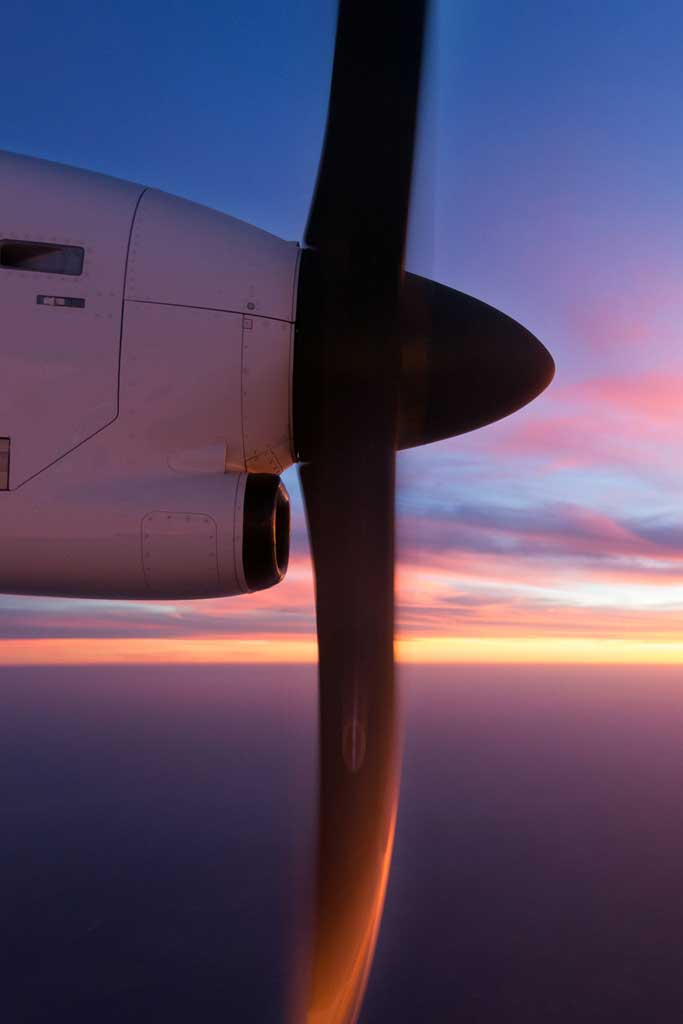
To support the European Union’s ambition of achieving climate-neutral aviation by 2050 and reducing greenhouse gas emissions up to 30% by 2035, the development of Ultra-Efficient Regional Aircraft (UERA) equipped with hybrid-electric propulsion systems has become a key technological priority. This aircraft will act as near-term demonstrator for hybrid electric turboprop applications in the regional segment. The learnings in the battery system development can also have applications in the short- to medium-haul operations.
Current Progress and Emerging Technologies
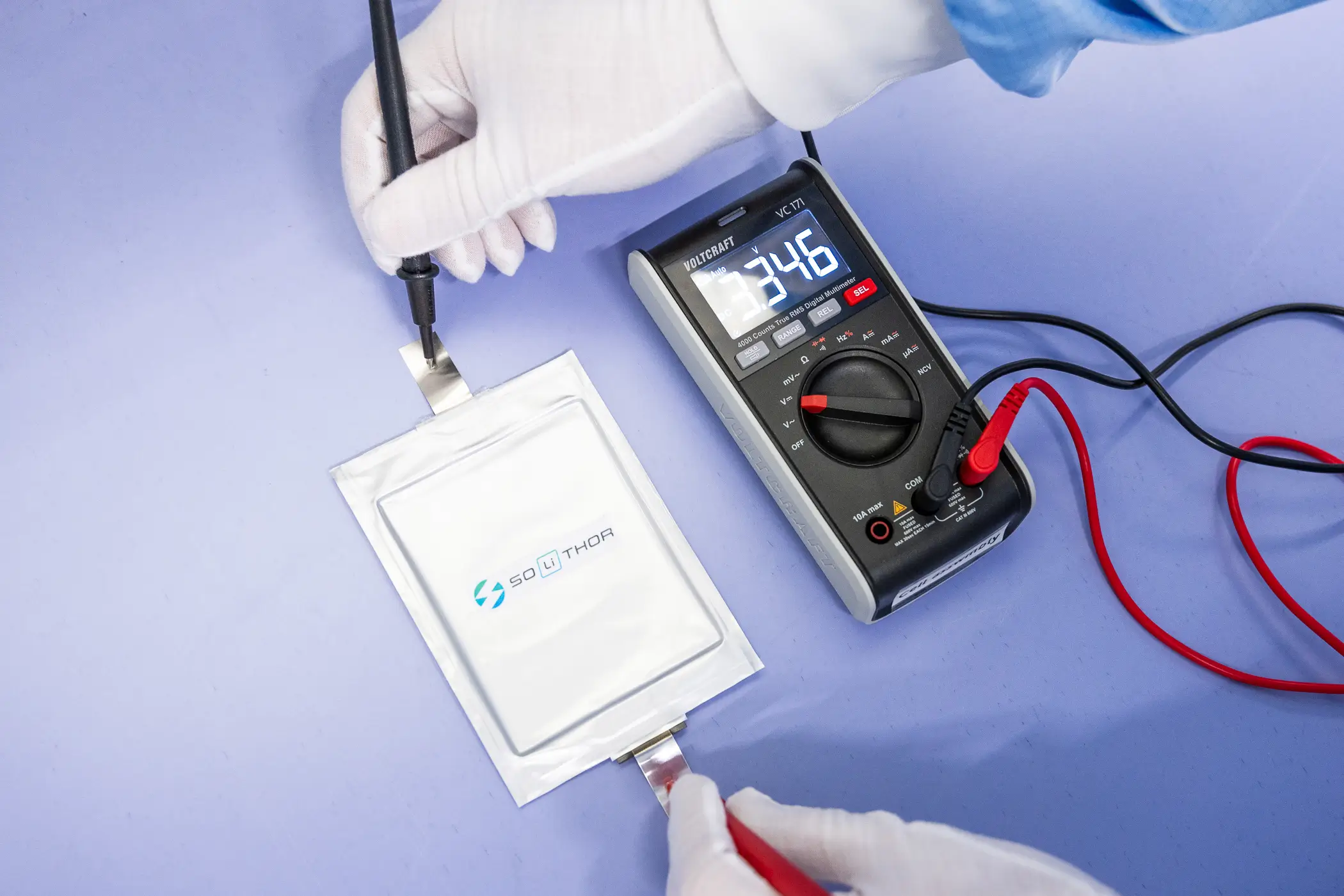
Significant government and industry investments (such as Batt4EU) have accelerated advancements in Lithium-Ion (Li-Ion) battery technologies, currently the most mature and certifiable option for Entry Into Service (EIS) by 2035.
Meanwhile, next-generation chemistries are rapidly emerging, including:
- Silicon-Anode
- Solid-State
- Lithium-Sulphur
- Lithium-Metal
- Sodium-Ion
Each offers unique trade-offs in energy density, lifecycle durability, cost, safety and environmental impact. However, their readiness for aerospace applications by 2035 remains uncertain. This evolving technology landscape poses a challenge for designing future-proof aircraft systems.
Our approach - Modular and Technology-Open Design
The MODABAT project addresses this challenge by developing modular battery systems and auxiliary components that can integrate both current and future cell technologies with minimal changes to surrounding systems.